
Mold Removal Services
Professional Mold Removal Services in North Central Florida
Mold rarely stays small in Florida's humidity. One call connects you with a licensed mold remediation professional serving Gainesville, Ocala, Lake City, Alachua, and the rest of North Central Florida.
Restoration Expert Florida connects property owners with independent, licensed local restoration providers.
Warning Signs
Signs You May Have a Mold Problem
Mold isn't always visible. Watch for these warning signs:
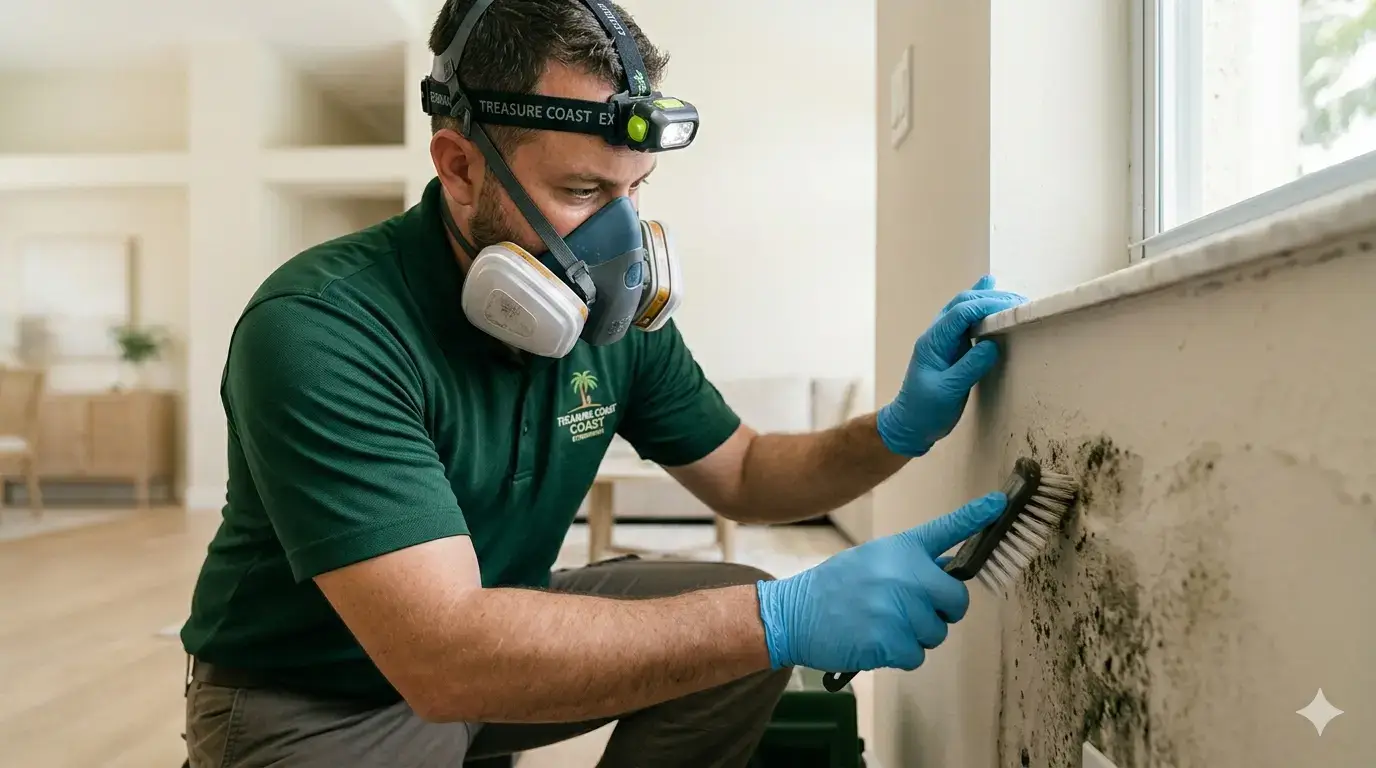
If you're not sure whether it's mold or how far it has spread, start with a professional mold inspection.
Know the Difference
Mold Removal vs. Mold Remediation
People use the terms interchangeably, but there's a difference. Mold spores exist naturally in the air, so no one can remove every spore from a home. Mold remediation means bringing mold back to normal levels: removing active growth, cleaning or replacing damaged materials, and fixing the moisture problem that caused it.
A company that promises to "eliminate all mold forever" is overpromising. The goal is to remove the growth and stop it from coming back.
How It Works
What Professional Mold Remediation Involves
Step 1
1. Assessment
The affected areas are inspected, the moisture source is identified, and the extent of the growth is measured.
Step 2
2. Containment
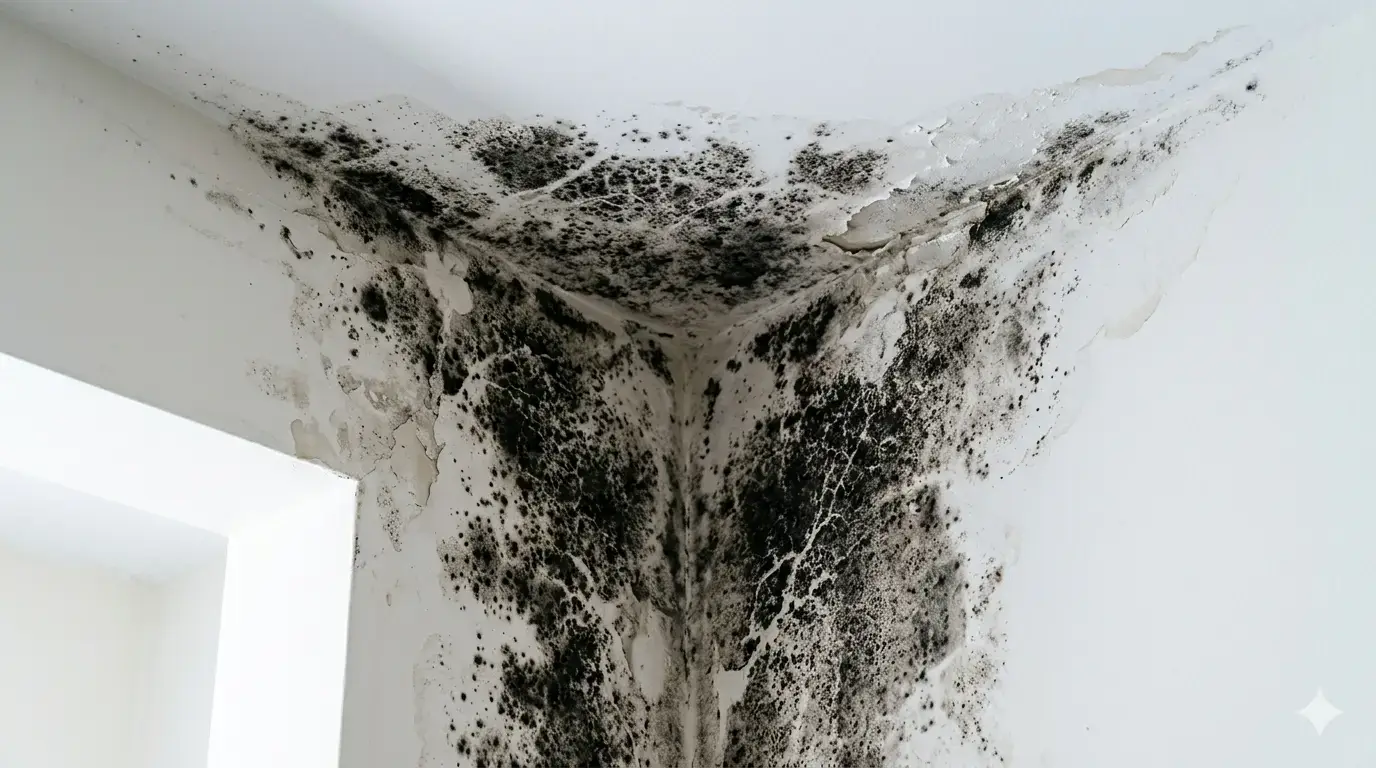
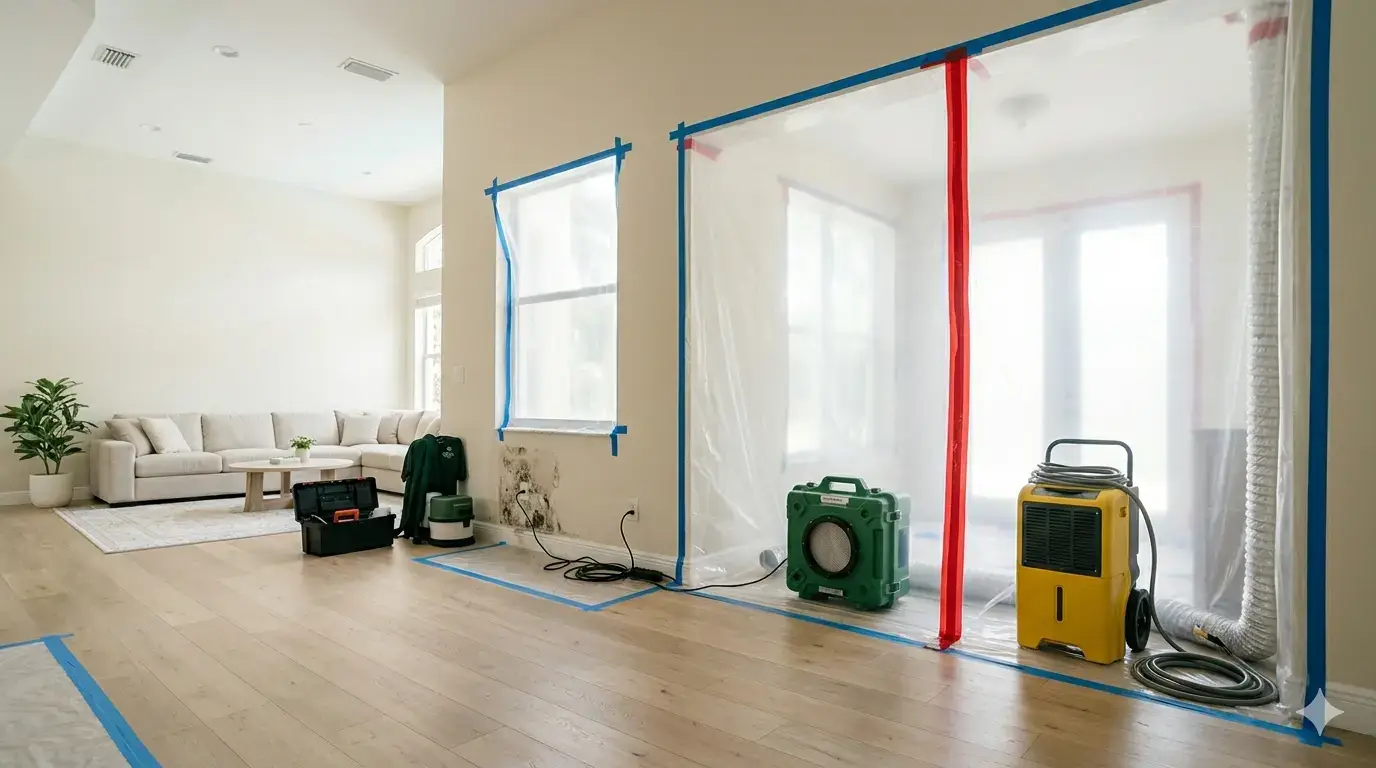
Plastic barriers and negative air pressure keep spores from spreading to clean parts of the building during work.
Step 3
3. Removal and cleaning
Moldy materials that can't be cleaned, such as soaked drywall or insulation, are removed. Salvageable surfaces are cleaned and treated.
Step 4
4. Drying and moisture control
Dehumidifiers and air movers bring materials back to normal moisture levels. Without this step, mold returns.
Step 5
5. Final check
The area is checked to confirm the growth is gone and moisture is under control before walls are closed up or repairs begin.
Common Problem Areas
Where Mold Grows in North Central Florida Homes
Mold needs moisture, and Florida homes have plenty of places where it collects:
Attics
Attics with poor ventilation or roof leaks. See attic mold removal.
Bathrooms & Kitchens
Bathrooms and kitchens with limited airflow
Crawl Spaces & Under Sinks
Crawl spaces and areas under sinks
HVAC Systems
HVAC systems, air handlers, and ductwork
Walls & Floors After Leaks
Walls and floors after a leak or flood. See water damage restoration.
For offices, rental properties, and other buildings, see commercial mold remediation.
Good to Know
Black Mold: What You Should Know
"Black mold" usually refers to Stachybotrys chartarum, a dark greenish-black mold that grows on materials that stay wet for a long time, such as drywall, ceiling tiles, and wood. Many other molds are also dark in color, so color alone doesn't tell you what type it is.
Any mold can cause problems for people with allergies, asthma, or weakened immune systems. Don't scrub or scrape dark mold yourself. Disturbing it releases spores into the air. Larger areas should be handled by a licensed professional.
Cost Factors
What Affects the Cost of Mold Removal
Every job is different, so ask for a written estimate. Common factors include:
Check whether your homeowners insurance covers the damage. Sudden events like burst pipes are more likely to be covered than long-term leaks.
Service Area
Mold Removal Across North Central Florida
We connect property owners with licensed mold professionals throughout the region, including:
FAQ
Frequently Asked Questions
Small jobs can be finished in a day or two. Larger jobs involving containment, material removal, and drying can take several days or more.
Yes, if the moisture problem isn't fixed. Fixing leaks, improving ventilation, and controlling humidity are what keep mold from returning.
Often not, because containment keeps the work area separate. For large jobs, or if someone in the home has health concerns, the provider may recommend staying elsewhere.
Small spots on hard surfaces can often be cleaned. Larger areas, mold inside walls, or mold that keeps coming back need a professional.
Need Mold Help?
Found Mold? Call Before It Spreads.
The sooner the moisture source is found and the growth is contained, the smaller the job. Call to connect with a licensed local mold professional.