
Water Damage Restoration
Water Damage Restoration in North Central Florida
Fast water extraction, structural drying, and restoration for homes and businesses affected by leaks, burst pipes, storms, flooding, and other water emergencies across North Central Florida.
The Service
What Is Water Damage Restoration?
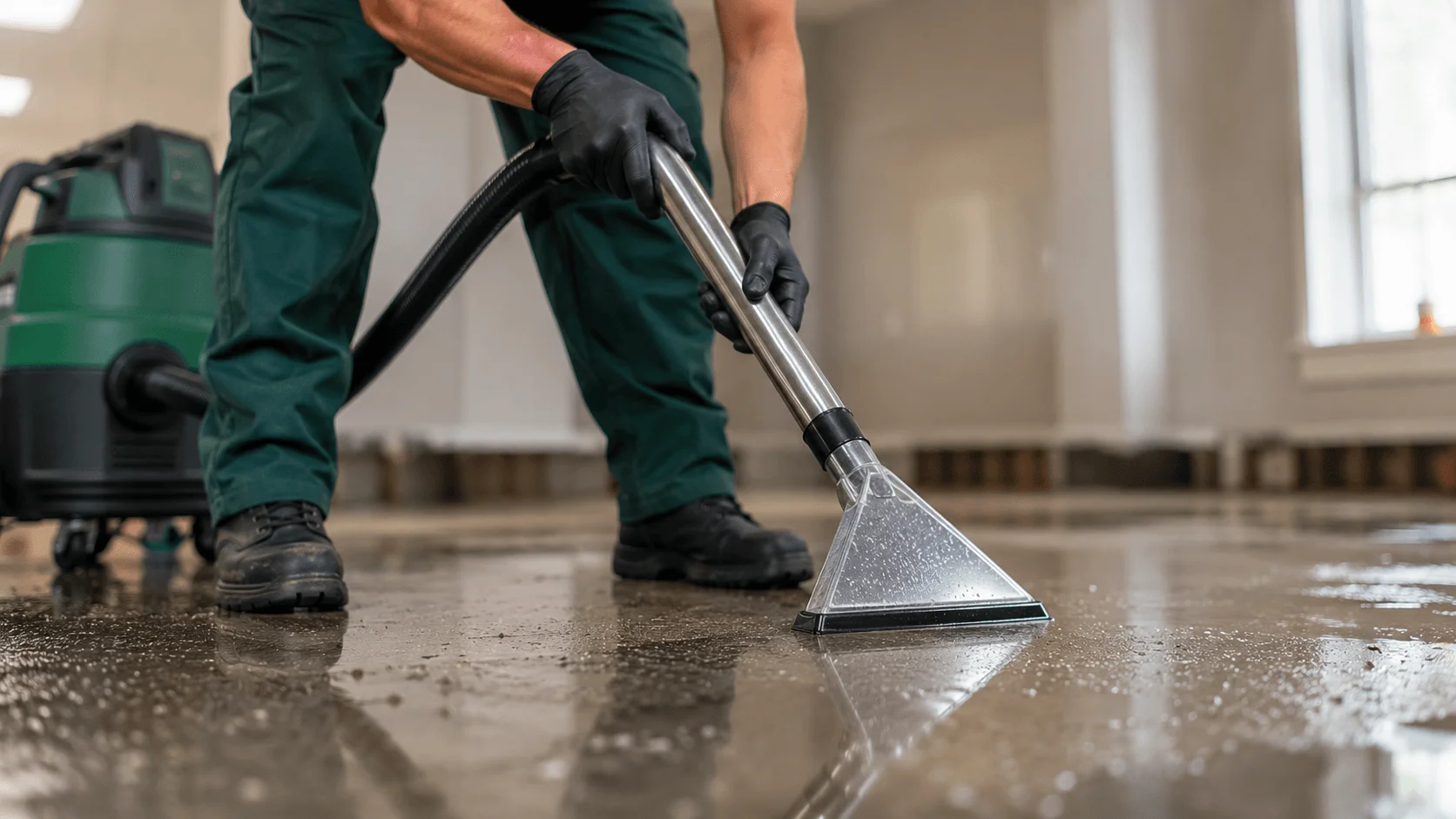
Water damage restoration is the professional process of removing water, drying affected materials, addressing moisture, cleaning impacted areas, and restoring a property after a leak, flood, storm, plumbing failure, or other water intrusion. The goal is to stop ongoing damage and return affected areas to a safe, usable condition.
Water can move into drywall, flooring, insulation, cabinets, subfloors, and other concealed spaces. Professional restoration combines water extraction with moisture assessment, air movement, dehumidification, and documentation so affected areas can be dried as thoroughly as practical.
Restoration Expert Florida follows applicable industry practices, including the principles described in the IICRC standards for professional restoration. Our approach is designed to identify the source, remove excess water, control moisture, and determine what materials can be restored or require repair.
Common Causes
What Causes Water Damage in Florida Properties?
Water emergencies can happen suddenly or develop from a hidden leak. Identifying the source quickly helps limit additional damage.
Burst Pipes & Plumbing Leaks
Broken supply lines, leaking pipes, overflowing fixtures, and failed plumbing connections can release large amounts of water into floors, walls, and cabinets.
Storm & Flood Damage
Heavy rain, hurricanes, roof leaks, and storm-related water intrusion can affect roofs, ceilings, flooring, walls, and personal property.
Sewage & Contaminated Water
Sewage backups and other contaminated water require additional safety precautions, controlled removal, cleaning, and appropriate disposal procedures.
Why Fast Action Matters
Water Damage Can Spread Beyond What You Can See
Visible standing water is only part of the problem. Moisture can remain inside building materials and concealed spaces after the surface appears dry.
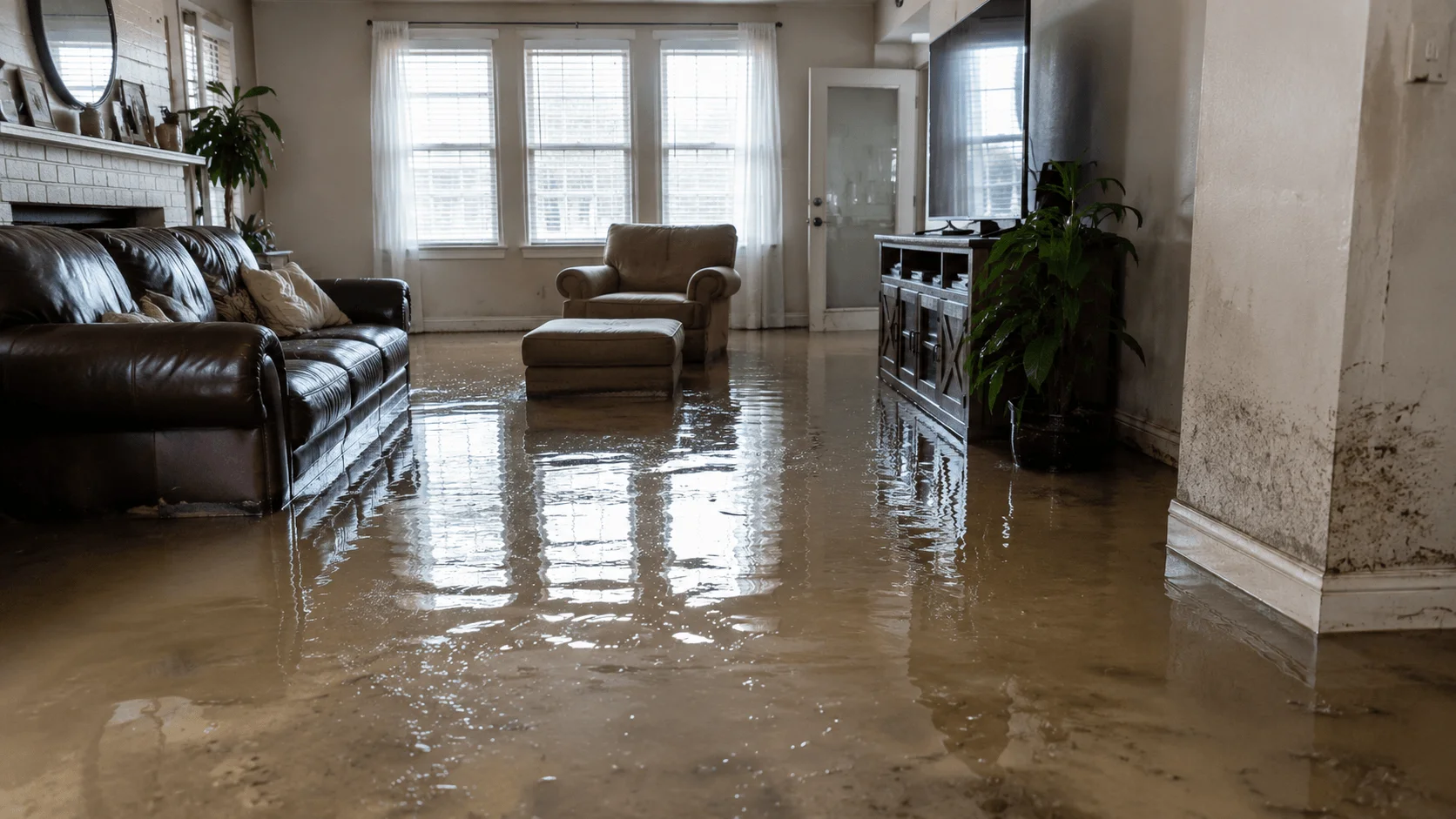
Water can move into drywall, flooring, insulation, and other porous materials where it may remain after visible water has been removed.
Our ApproachWe assess affected areas and use appropriate extraction, moisture measurement, air movement, and dehumidification equipment as needed.
Moisture hidden beneath flooring or inside walls can continue affecting materials even when the surface looks dry.
Our ApproachMoisture mapping and other appropriate inspection methods help identify areas that require additional drying or monitoring.
Damp materials can support mold growth. The EPA recommends drying wet or damp materials within 24–48 hours when possible to help prevent mold growth.
Our ApproachWe prioritize water removal and structural drying. If mold is already present, the appropriate remediation service may also be required.
How It Works
Our Water Damage Restoration Process
Every property is different, but professional water restoration generally begins with assessment and water removal before progressing to drying, cleaning, and repairs.
Step 1
Inspection & Water Assessment
We identify the source, assess the affected areas, determine the extent of water intrusion, and document moisture conditions.
Step 2
Emergency Water Extraction
Standing water is removed using appropriate extraction equipment to reduce the amount of water remaining in affected areas.
Step 3
Structural Drying & Dehumidification
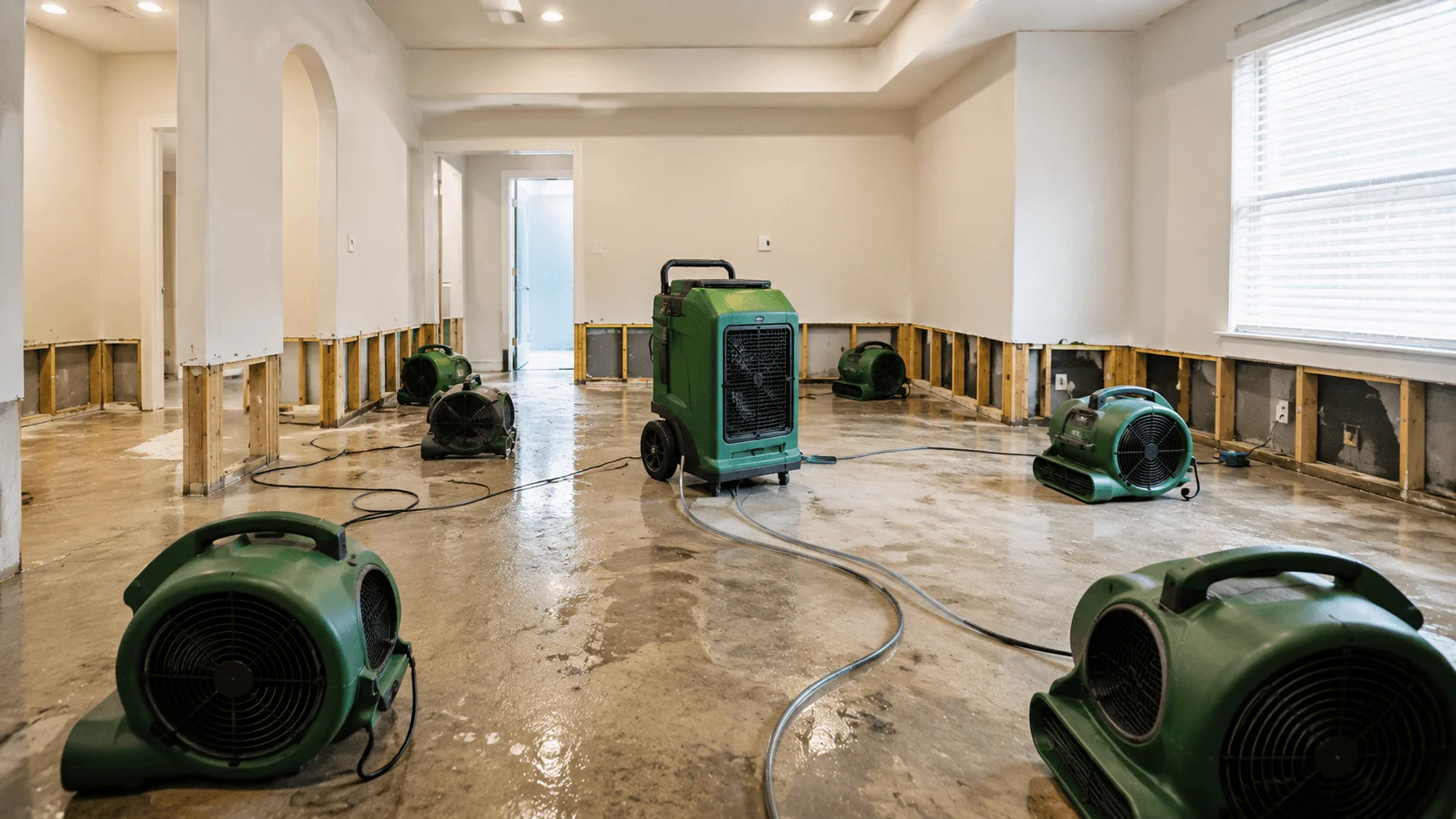
Air movers and dehumidification equipment help remove remaining moisture while drying conditions are monitored throughout the project.
Step 4
Cleaning & Restoration
Depending on the loss, affected areas may be cleaned, sanitized, repaired, or rebuilt after the necessary drying work is complete.
Why Professional Restoration Matters
Benefits of Professional Water Damage Restoration
Prompt professional restoration can help limit moisture-related damage and provide a documented process for getting affected areas back into service.
Reduce Mold Risk
Prompt drying helps reduce the moisture conditions that support mold growth.
Limit Structural Damage
Removing excess water and addressing trapped moisture can help limit damage to affected building materials.
Thorough Structural Drying
Professional air movement and dehumidification equipment can accelerate drying compared with ordinary household fans.
Protect Salvageable Property
Faster response can improve the opportunity to clean and restore materials and belongings that are still salvageable.
Insurance Documentation
Detailed photos, moisture readings, work records, and project documentation can help support an insurance claim.
Restore Your Property
The restoration process addresses water-related damage and helps return affected spaces to a usable condition.
Service Area
Water Damage Restoration Across North Central Florida
Restoration Expert Florida serves homeowners, landlords, property managers, and businesses throughout North Central Florida, including communities in Alachua, Marion, and Columbia Counties.
Clear Estimates
What Does Water Damage Restoration Cost?
Water damage restoration costs vary by the amount of water, affected materials, contamination level, drying requirements, and repairs needed. A property assessment provides a more accurate scope than a one-size-fits-all price.
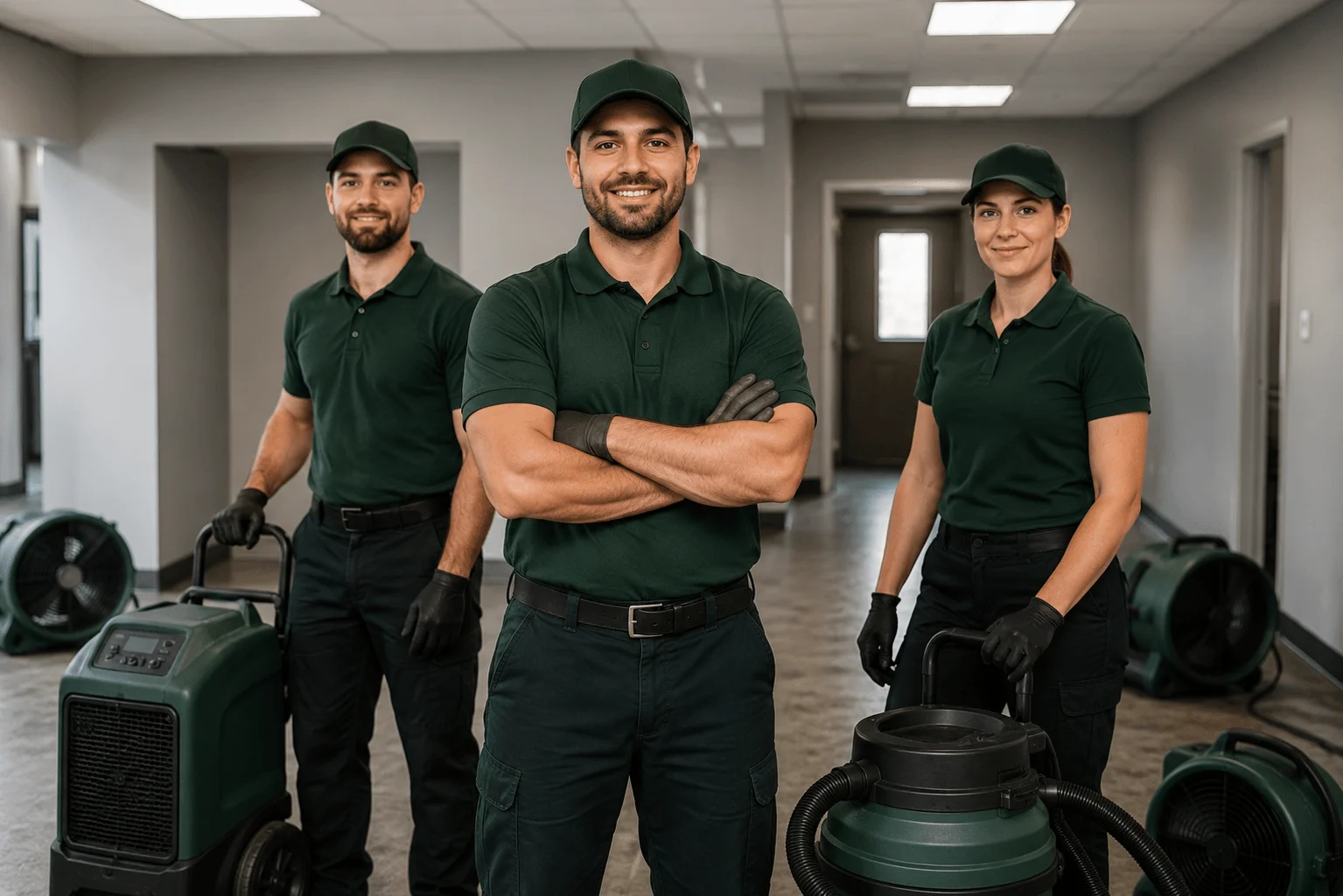
If you have water damage, contact the team promptly so the source and affected areas can be assessed. If you are making an insurance claim, keep photographs, receipts, and restoration documentation with your claim records.
FAQ
Water Damage Restoration Frequently Asked Questions
If it is safe, stop the source of water and keep people away from electrical hazards or contaminated water. Do not enter areas where electrical systems may be unsafe. Contact a professional restoration company promptly so water extraction and drying can begin.
As soon as possible. The EPA recommends drying wet or damp materials within 24–48 hours when possible to help prevent mold growth. The actual drying timeline depends on the amount of water, materials affected, temperature, humidity, and other conditions.
Coverage depends on the cause of the loss, the policy, exclusions, and other circumstances. Sudden accidental losses may be covered under some policies, while gradual leaks or maintenance-related problems may be treated differently. Review your policy and contact your insurer for coverage decisions.
There is no single drying time for every property. The timeline depends on the amount of water, materials involved, indoor conditions, and the extent of moisture intrusion. Drying equipment and moisture monitoring help determine when affected materials have reached appropriate drying conditions.
Water mitigation focuses on limiting further damage by addressing the source, removing water, and reducing moisture. Restoration involves repairing, cleaning, rebuilding, or replacing affected materials as necessary to return the property to a usable condition.
Yes. Mold can grow when mold spores encounter moisture. The EPA recommends drying wet or damp materials within 24–48 hours when possible to help prevent mold growth. If mold is already present, water removal alone may not be sufficient and appropriate mold remediation may be necessary.
We provide water damage restoration for properties affected by storms, roof leaks, flooding, plumbing failures, and other water emergencies. The appropriate response depends on the source and contamination level of the water.
Yes. Our service is available 24/7 for water damage emergencies across North Central Florida, including Gainesville, Ocala, Lake City, and Alachua.
Water Damage? Start Drying as Soon as Possible.
Get professional water extraction, structural drying, and restoration support across North Central Florida.